Introduction
In modern software development, speed and reliability are crucial. Users expect frequent updates, minimal downtime, and bug-free experiences. Continuous Integration (CI) and Continuous Delivery/Deployment (CD) pipelines have emerged as essential practices in achieving these goals. By automating code integration, testing, and deployment, CI/CD pipelines ensure faster and more reliable software delivery. In this blog, we will explore the concepts of CI/CD, how pipelines work, key tools, best practices, and the benefits of adopting CI/CD in your development workflow.
Table of Contents
What is CI/CD?
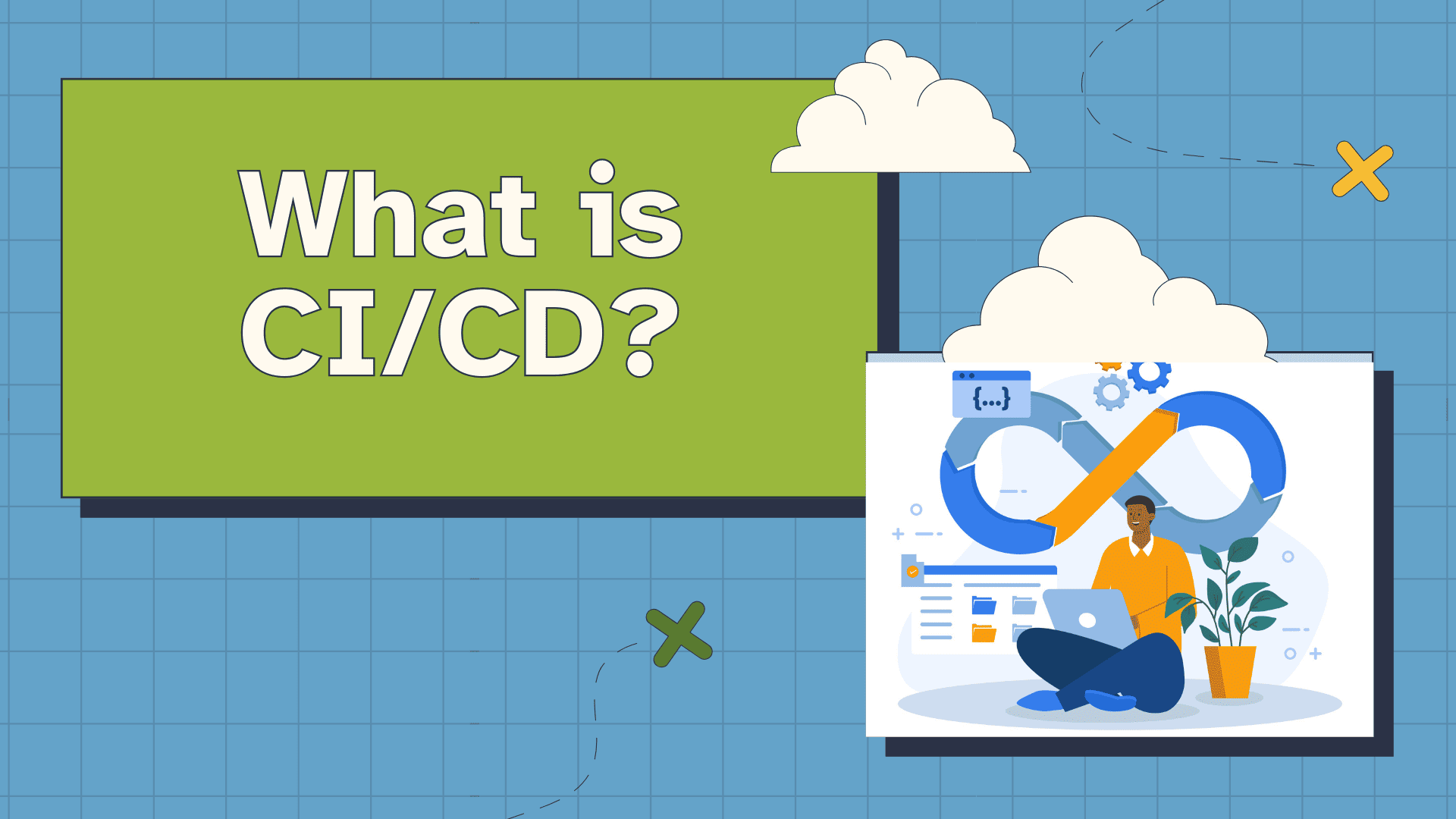
CI/CD stands for Continuous Integration and Continuous Delivery/Deployment. These practices aim to automate the process of building, testing, and deploying software to ensure high-quality releases.
Continuous Integration (CI) is the practice of frequently merging code changes into a shared repository. Each integration is verified by automated builds and tests to detect issues early in the development cycle.
Continuous Delivery (CD) ensures that integrated code is always in a deployable state. The deployment to production requires minimal manual intervention and is often automated for efficiency and consistency. Continuous Deployment takes this a step further by automatically releasing code to production whenever it passes automated tests and compliance checks.
According to Atlassian, CI/CD is the backbone of modern DevOps practices, enabling teams to deliver value faster while reducing errors and downtime.
How CI/CD Pipelines Work
A CI/CD pipeline is a series of automated steps that take code from development to production efficiently and reliably. The typical pipeline consists of the following stages:
Code Commit
Developers push code changes to a version control system like Git. Branching strategies, such as GitFlow or trunk-based development, help manage parallel development work and feature integration.
Build
The pipeline automatically compiles the code, creating executable builds or packages. This step ensures that code changes do not break the build and prepares artifacts for testing and deployment.
Automated Testing
Automated testing is a core part of CI/CD. Unit tests, integration tests, and end-to-end tests are executed to validate code functionality. Tools like JUnit, Selenium, and TestNG support comprehensive testing strategies.
Deployment
After successful testing, the code is deployed to staging or production environments. Deployment automation tools like Jenkins, GitHub Actions, and GitLab CI/CD streamline this process, reducing human error and ensuring repeatable deployments.
Monitoring and Feedback
Post-deployment monitoring ensures that the application behaves as expected in production. Metrics such as uptime, response time, and error rates are collected using tools like Prometheus and Grafana. Feedback loops help developers quickly address any issues and improve the next iteration of the software.
Key CI/CD Tools
There is a rich ecosystem of CI/CD tools, each catering to different requirements:
- Jenkins: A widely-used open-source automation server that supports building, testing, and deploying code across multiple platforms.
- GitHub Actions: Provides integrated CI/CD pipelines within the GitHub ecosystem, making it easy to automate workflows.
- GitLab CI/CD: Offers powerful pipelines with built-in CI/CD features, perfect for managing code, builds, and deployments in a single platform.
- CircleCI: A cloud-based CI/CD platform known for its speed, scalability, and ease of integration with various cloud providers.
- Travis CI: Popular among open-source projects for continuous integration and testing.
Each tool has unique strengths, and selecting the right tool depends on your organization’s workflow, tech stack, and deployment requirements.
Best Practices for CI/CD
Implementing CI/CD pipelines effectively requires following industry best practices:
Maintain Small, Frequent Commits
Frequent integration of small code changes reduces merge conflicts, simplifies testing, and allows faster detection of defects.
Automate Everything
From building and testing to deployment and monitoring, automation ensures repeatable processes, reduces human error, and accelerates delivery.
Test Early and Often
Incorporate automated tests at every stage of the pipeline to catch defects as early as possible, improving software quality and reducing post-deployment issues.
Monitor Pipeline Performance
Regularly monitor build times, failure rates, and deployment metrics to identify bottlenecks and optimize pipeline efficiency.
Secure Your Pipeline
Integrate security checks into the CI/CD process, including code scanning, dependency checks, and compliance audits. Tools like Snyk and SonarQube help ensure code security and quality.
Benefits of CI/CD Pipelines
Adopting CI/CD pipelines offers several tangible benefits:
Faster Release Cycles
Automated integration, testing, and deployment reduce the time between writing code and delivering it to users.
Improved Quality
Early detection of bugs through automated testing ensures higher-quality releases.
Increased Collaboration
CI/CD fosters collaboration between development, QA, and operations teams, enhancing communication and shared responsibility.
Reduced Risk
Frequent, incremental releases minimize the impact of failures and make rollback easier if issues occur.
Enhanced Customer Satisfaction
Faster and more reliable software delivery improves user experience and ensures that customers receive new features and updates consistently.
Conclusion
CI/CD pipelines are a foundational component of DevOps and modern software development. By automating integration, testing, and deployment, organizations can deliver software faster, improve quality, and enhance collaboration across teams. Whether you are building web applications, mobile apps, or enterprise software, implementing a robust CI/CD pipeline is essential for staying competitive and meeting user expectations.
For further reading and practical implementation, explore the Atlassian CI/CD guide and the AWS CI/CD best practices.
Also Check Complete Introduction to DevOps – Principles, and Benefits 2026







1 thought on “CI/CD Pipelines – Comprehensive Guide – 2026”