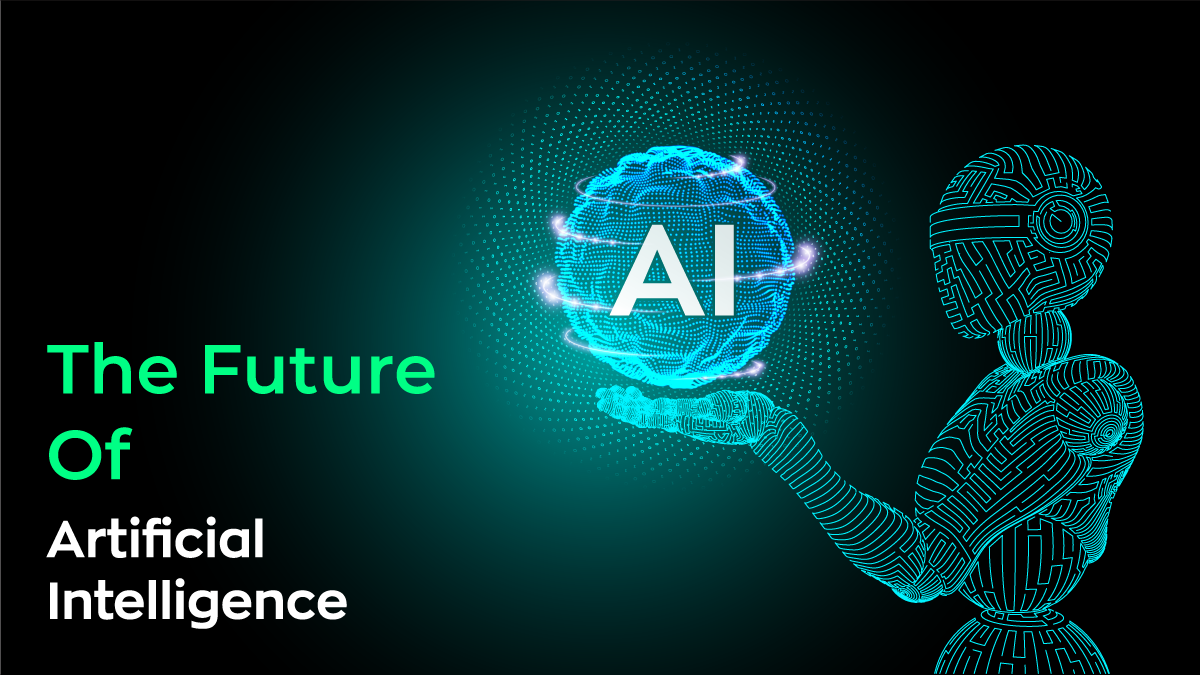
Artificial Intelligence is rapidly reshaping the technology landscape, and software development is no exception. From automated code generation to intelligent debugging and predictive analytics, AI is transforming how developers build, test, and deploy applications. As organizations aim for faster innovation and higher efficiency, AI-powered tools are becoming an integral part of modern development workflows.
According to research published by McKinsey & Company, generative AI has the potential to significantly enhance developer productivity, reduce development time, and improve code quality. In this blog, we explore the future of AI in software development, key trends, benefits, challenges, and what developers should expect in the coming years.
Table of Contents
The Rise of AI-Powered Coding Assistants
One of the most visible impacts of AI in software development is the emergence of intelligent coding assistants. Tools like GitHub Copilot, powered by OpenAI models, and AI features integrated into modern IDEs can suggest code snippets, generate functions, and even create entire modules based on natural language prompts.
How AI Coding Tools Work
AI coding assistants are trained on large datasets of publicly available code and documentation. Using machine learning and natural language processing, they predict relevant code suggestions in real time.
These tools can:
- Autocomplete code more intelligently than traditional IDEs
- Suggest optimized algorithms
- Generate unit tests
- Translate code between programming languages
- Identify potential bugs during development
As AI models continue to improve, coding assistants will become more context-aware and capable of understanding complex system architectures.
Automated Testing and Quality Assurance
Testing is a critical yet time-consuming part of software development. AI is streamlining this process by automating test generation and defect detection.
AI in Test Case Generation
AI tools can analyze application behavior and automatically generate meaningful test cases. Platforms such as Selenium are increasingly enhanced with AI-powered plugins that improve automation reliability.
Predictive Bug Detection
Machine learning models can analyze historical defect patterns and predict potential vulnerabilities before deployment. Tools like SonarQube incorporate AI-driven analysis to improve code quality and detect security flaws.
In the future, AI-driven testing frameworks will reduce manual intervention, enabling faster release cycles without compromising quality.
Intelligent DevOps and AI-Driven Automation
AI is also transforming DevOps practices by enabling smarter automation and predictive infrastructure management.
AI in CI/CD Pipelines
Modern CI/CD tools such as Jenkins and GitLab CI/CD are increasingly integrating AI-based insights to:
- Optimize build times
- Predict pipeline failures
- Suggest deployment rollbacks
- Monitor anomalies in production
AI-driven analytics can proactively detect system performance issues before they impact users.
Predictive Infrastructure Management
Cloud platforms like Amazon Web Services use AI to recommend infrastructure optimizations and cost-saving measures. In the future, AI systems may automatically scale resources, detect outages, and resolve incidents without human intervention.
Natural Language to Code Transformation
One of the most revolutionary advancements is converting natural language into functional code. Developers can describe what they want to build, and AI systems generate structured code accordingly.
This approach reduces barriers to entry for beginners and accelerates prototyping for experienced engineers.
For example:
- Describing a login system can generate authentication logic
- Explaining an API endpoint can produce backend routing code
- Specifying UI requirements can create frontend components
As large language models continue to evolve, natural language programming may become a standard development approach.
AI-Driven Personalization and User Experience
The future of AI in software development also includes smarter applications. AI allows developers to integrate personalization, predictive analytics, and recommendation engines directly into applications.
For example:
- E-commerce platforms use AI recommendation systems
- SaaS products personalize dashboards based on usage behavior
- Mobile apps adapt UI elements dynamically
Companies leveraging AI for user experience improvements often see higher engagement and retention rates.
Challenges and Ethical Considerations
While AI brings powerful capabilities, it also introduces challenges.
Code Reliability and Accuracy
AI-generated code may contain errors, security vulnerabilities, or inefficient logic. Developers must validate and review AI-generated suggestions carefully.
Security Risks
Using AI tools without proper review can introduce vulnerabilities. The OWASP Foundation emphasizes the importance of secure coding practices even when leveraging automation.
Intellectual Property Concerns
Since AI models are trained on large datasets, there are ongoing debates about copyright, licensing, and ownership of generated code.
Skill Evolution
As AI automates repetitive tasks, developers will need to focus more on system architecture, problem-solving, and strategic thinking rather than routine coding.
The Role of Developers in an AI-Driven Future
Contrary to fears that AI will replace developers, it is more likely to augment their capabilities. Developers will transition into roles that require:
- Critical thinking
- System design expertise
- AI tool integration
- Ethical decision-making
- Advanced debugging and architecture planning
AI will act as a productivity multiplier, allowing developers to focus on innovation rather than boilerplate tasks.
Future Trends to Watch
Several emerging trends will shape the future of AI in software development:
- Autonomous debugging systems
- Self-healing infrastructure
- AI-driven project management
- Fully automated test pipelines
- Low-code and no-code platforms powered by AI
Organizations that adopt AI strategically will gain a competitive advantage through faster development cycles and smarter applications.
Conclusion
The future of AI in software development is transformative rather than disruptive. AI-powered coding assistants, automated testing, intelligent DevOps systems, and natural language programming are redefining how software is built. While challenges related to security, reliability, and ethics remain, the benefits of enhanced productivity and innovation are undeniable.
Developers who embrace AI tools and adapt their skills will thrive in this evolving landscape. The key is not to fear automation but to leverage it strategically to build smarter, more scalable, and more efficient applications.
Also Check Flutter vs React – A Comprehensive Comparison – 2026




language programming are redefining how software is built. While challenges related to security, reliability, and ethics remain, the benefits of enhanced productivity and innovation are undeniab