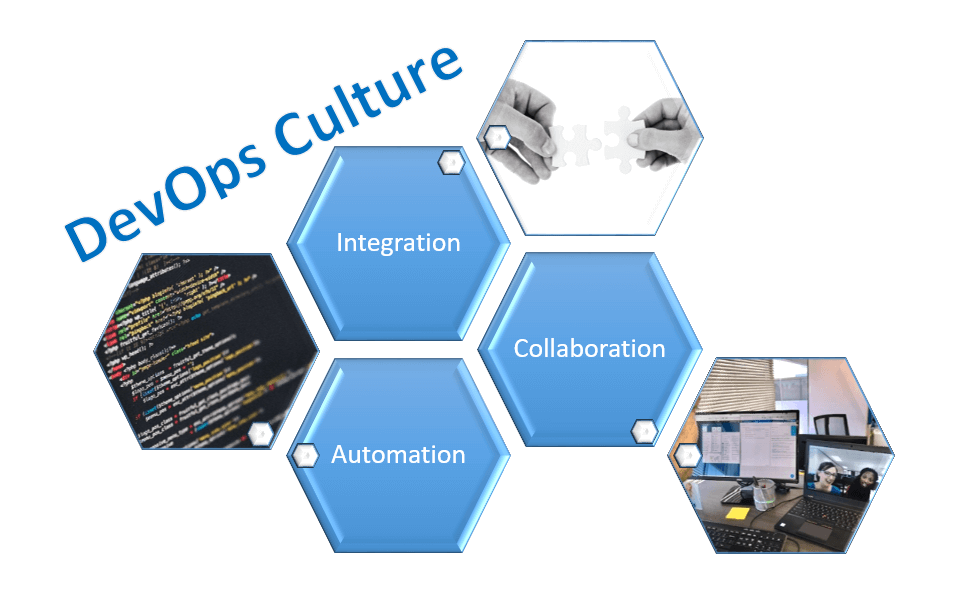
DevOps is often associated with tools, automation, and pipelines, but at its core, DevOps is a cultural movement. Organizations adopting DevOps successfully focus on collaboration, communication, and shared responsibility between development (Dev) and operations (Ops) teams. Without the right culture, even the most advanced tools and CI/CD pipelines cannot deliver the expected benefits.
In this blog, we will explore the importance of DevOps culture, principles of collaboration, strategies for building high-performing teams, and the benefits of fostering a DevOps mindset.
What is DevOps Culture?
DevOps culture is a mindset that emphasizes cooperation, transparency, and accountability across all stages of the software development lifecycle. It promotes the idea that developers and operations teams are not separate entities with conflicting goals but partners working toward the shared objective of delivering high-quality software efficiently.
According to the DevOps Institute, culture is the foundation of DevOps. It shapes how teams interact, make decisions, and respond to challenges, ultimately determining the success of DevOps initiatives.
Core Principles of DevOps Culture
Several principles guide DevOps culture, fostering collaboration and continuous improvement:
Shared Responsibility
DevOps encourages shared ownership of the software lifecycle. Developers, operations, QA, and security teams collectively take responsibility for application performance, reliability, and user experience. This shared responsibility reduces finger-pointing and promotes proactive problem-solving.
Continuous Feedback
Continuous feedback loops are essential for learning and improvement. Teams monitor systems, analyze logs, gather user feedback, and share insights to refine processes and applications. Tools like Jira and Confluence support collaboration and feedback management.
Transparency and Communication
Open communication ensures everyone understands project goals, priorities, and current challenges. Daily stand-ups, retrospectives, and cross-team meetings facilitate transparency. Platforms like Slack and Microsoft Teams help maintain communication across distributed teams.
Automation and Standardization
While culture focuses on people, automation reduces repetitive tasks and ensures consistency. Standardized workflows enable teams to focus on innovation rather than manual operations. Tools such as Jenkins and Ansible support this principle.
Continuous Learning
DevOps encourages experimentation and learning from failures. Blameless postmortems, knowledge sharing, and training programs cultivate a culture of continuous improvement.
Strategies for Building a Collaborative DevOps Environment
Implementing a collaborative DevOps culture requires deliberate actions and policies:
Cross-Functional Teams
Organize teams with members from development, operations, QA, and security. Cross-functional teams foster better communication and accelerate problem-solving. According to Atlassian, cross-functional teams are key to reducing cycle times and improving software quality.
Shared Goals and Metrics
Align teams around common goals such as system uptime, deployment frequency, and customer satisfaction. Shared metrics promote accountability and collaboration instead of competing objectives.
Blameless Postmortems
When incidents occur, focus on learning and improving rather than assigning blame. Blameless postmortems encourage transparency and open discussion, helping teams prevent similar issues in the future.
Continuous Knowledge Sharing
Encourage documentation, workshops, and knowledge-sharing sessions. Platforms like Confluence and internal wikis help capture and disseminate team knowledge.
Leadership Support
Leadership plays a crucial role in shaping DevOps culture. Managers and executives should support collaboration, provide resources for training, and recognize team achievements.
Benefits of a Strong DevOps Culture
Faster Time to Market
Collaboration and automation streamline development and deployment processes, enabling quicker release cycles.
Improved Quality and Reliability
Shared responsibility and continuous feedback lead to higher-quality software with fewer errors and downtime.
Increased Employee Satisfaction
A collaborative environment fosters trust, recognition, and professional growth, improving morale and retention.
Better Customer Experience
Faster delivery of reliable software ensures that customers receive value consistently, enhancing satisfaction and loyalty.
Continuous Innovation
Teams that collaborate effectively and learn from failures are more likely to experiment and innovate, driving business growth.
Overcoming Challenges in DevOps Culture Adoption
Adopting DevOps culture may encounter several challenges:
- Resistance to Change: Employees accustomed to traditional silos may resist new ways of working. Address this through training, communication, and leadership support.
- Tool Overemphasis: Focusing solely on automation tools without addressing culture can limit DevOps benefits. Culture must drive tools, not the other way around.
- Distributed Teams: Collaboration can be challenging across locations. Use digital platforms and synchronous/asynchronous communication strategies to maintain alignment.
Conclusion
DevOps is more than just technology it is a cultural transformation. Building a collaborative, transparent, and learning-oriented environment is crucial for realizing the full benefits of DevOps practices.
By fostering shared responsibility, continuous feedback, and open communication, organizations can achieve faster delivery, higher quality, and improved customer satisfaction. Implementing a strong DevOps culture ensures that automation, CI/CD pipelines, and infrastructure tools reach their true potential.
For further insights, explore the DevOps Institute Resources and Atlassian DevOps Guide to learn practical strategies for building a high-performing DevOps culture.
Also Check Monitoring and Logging in DevOps – Best Practices – 2026