Introduction
Modern IT environments are becoming increasingly complex. Managing servers, networks, and applications manually is time-consuming, error-prone, and difficult to scale.
Infrastructure as Code (IaC) has emerged as a solution to these challenges, allowing teams to provision, configure, and manage infrastructure using code. Tools like Terraform and Ansible have become industry standards for automating infrastructure, ensuring consistency, reliability, and agility. In this blog, we’ll explore what IaC is, how Terraform and Ansible work, best practices, and the benefits of adopting IaC in your DevOps workflow.
Table of Contents
What is Infrastructure as Code (IaC)?
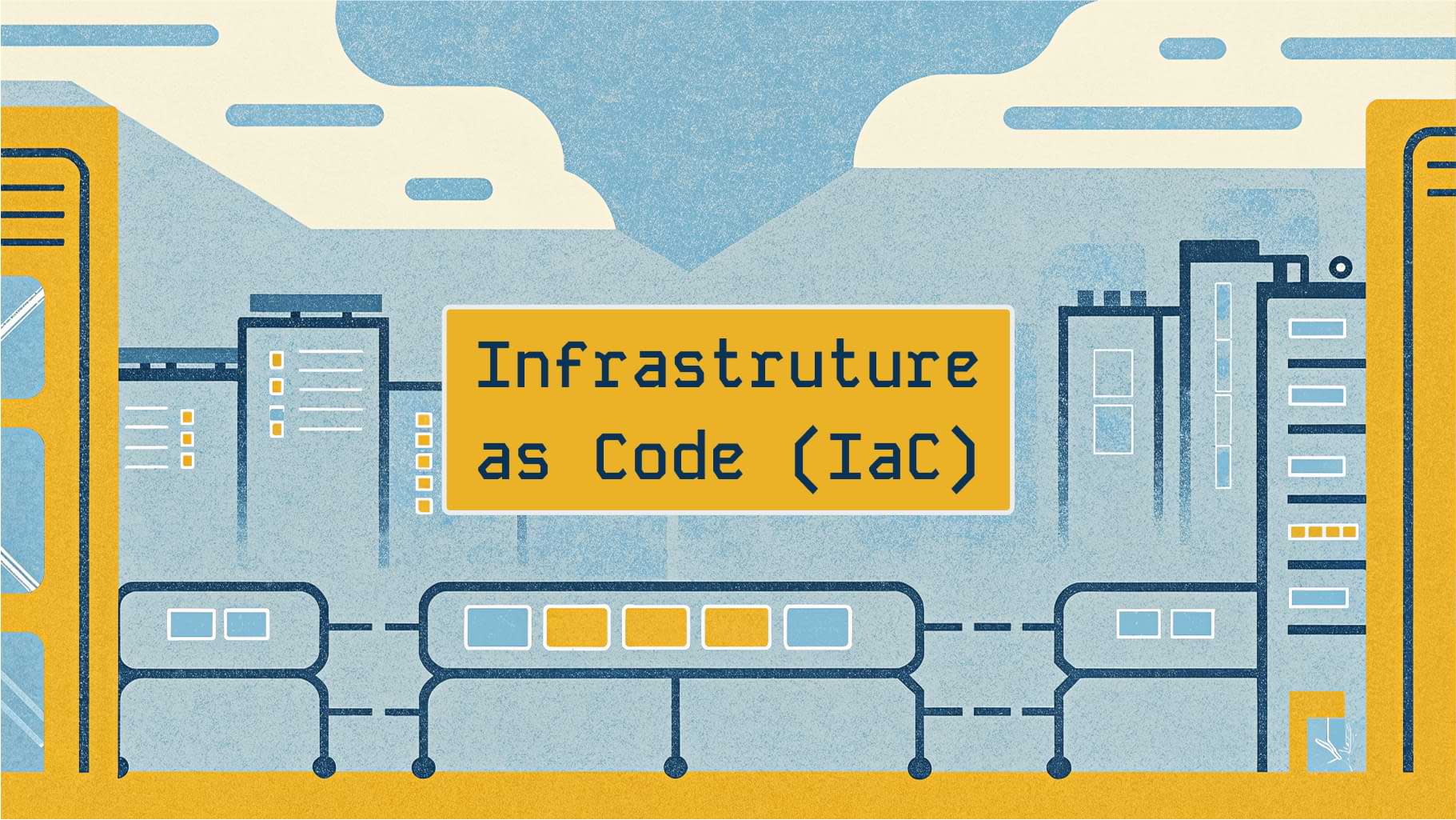
Infrastructure as Code (IaC) is the practice of managing and provisioning IT infrastructure through machine-readable configuration files rather than manual processes. This approach treats infrastructure like software, enabling version control, automated testing, and reproducibility. By defining infrastructure as code, teams can deploy environments consistently, reduce human error, and improve collaboration across development and operations teams.
According to HashiCorp, IaC allows organizations to manage complex environments at scale while supporting rapid deployment and continuous delivery.
Terraform: Declarative Infrastructure Automation
What is Terraform?
Terraform is an open-source IaC tool developed by HashiCorp that allows you to define infrastructure in a declarative configuration language called HashiCorp Configuration Language (HCL). Terraform enables provisioning and managing cloud resources across multiple providers such as AWS, Azure, Google Cloud, and more from a single configuration.
Key Features of Terraform
- Declarative Configuration: Define the desired state of infrastructure, and Terraform handles the provisioning to match that state.
- Provider Support: Terraform supports numerous cloud providers and services, allowing a single tool to manage multi-cloud environments.
- State Management: Terraform keeps track of infrastructure state, ensuring accurate updates and preventing configuration drift.
- Modules and Reusability: Infrastructure can be modularized for reusability and standardization across projects.
For an in-depth guide, check the Terraform Documentation.
Example Use Case
A team can define a production environment for a web application, including servers, databases, and networking components, in a single Terraform configuration file. Running terraform apply provisions all resources automatically, reducing manual steps and potential errors.
Ansible: Procedural Configuration and Automation
What is Ansible?
Ansible is an open-source configuration management and automation tool that allows you to configure servers, deploy applications, and orchestrate tasks using simple, human-readable YAML files. Unlike Terraform, which is primarily declarative, Ansible is procedural it executes tasks step by step to achieve the desired configuration.
Key Features of Ansible
- Agentless Architecture: Ansible does not require agents on target machines, using SSH for communication.
- Playbooks and Roles: Automate complex workflows through reusable playbooks and roles.
- Extensible Modules: Thousands of modules support managing cloud services, networks, containers, and applications.
- Idempotency: Ensures that repeated execution does not change the system if it is already in the desired state.
Learn more in the Ansible Documentation.
Example Use Case
Ansible can automate software installation, configuration updates, and service restarts across hundreds of servers simultaneously. For example, deploying a web application stack with Nginx, Node.js, and a PostgreSQL database can be fully automated with an Ansible playbook.
Terraform vs Ansible: Understanding the Difference
While both Terraform and Ansible areInfrastructure as Code tools, they serve different purposes and often complement each other:
- Terraform focuses on provisioning infrastructure creating servers, networks, and cloud resources.
- Ansible focuses on configuration management and orchestration installing software, updating configurations, and managing services.
- Declarative vs Procedural: Terraform uses declarative syntax (desired state), while Ansible is procedural (task-by-task execution).
- Many organizations use Terraform to provision infrastructure and Ansible to configure applications on top of that infrastructure.
Best Practices for Infrastructure as Code (IaC)
Version Control
Store all infrastructure code in a version control system like Git. This ensures changes are tracked, auditable, and reversible.
Modularization
Break configurations into reusable modules or roles. This improves maintainability and standardization across projects.
Automated Testing
Use automated tests to validate infrastructure code before deployment. Tools like Terratest help test Terraform configurations, while Ansible can be tested with Molecule.
Documentation and Collaboration
Document infrastructure workflows and configuration standards. Collaboration tools like GitHub or GitLab streamline code reviews and teamwork.
Security and Compliance
Integrate security checks into the Infrastructure as Code workflow. For example, use Checkov to scan Terraform files for policy violations and misconfigurations.
Benefits of Using IaC
Consistency and Reliability
IaC ensures infrastructure is deployed consistently across environments, reducing errors caused by manual provisioning.
Faster Deployment
Automated provisioning accelerates the creation of development, staging, and production environments.
Cost Efficiency
IaC reduces manual labor and eliminates repetitive tasks, saving operational costs.
Scalability
Infrastructure can be replicated or scaled up/down automatically using code, supporting growing workloads.
Collaboration and Transparency
Version-controlled infrastructure code improves transparency and encourages collaboration across DevOps teams.
Conclusion
Infrastructure as Code has transformed the way modern organizations manage and scale IT environments. By leveraging tools like Terraform and Ansible, teams can provision infrastructure automatically, maintain consistency, and reduce operational risks. Combining declarative provisioning with procedural configuration enables faster deployments, greater reliability, and improved collaboration. Implementing IaC is no longer optional—it is a necessity for organizations aiming to embrace DevOps, automation, and cloud-native practices.
For further learning, explore the Terraform Best Practices Guide and the Ansible Automation Hub for real-world examples and implementation strategies.
Also Check CI/CD Pipelines – Comprehensive Guide – 2026




2 thoughts on “Infrastructure as Code – Powerful Infrastructure – 2026”